Advancing circularity in snack packaging
As brand owners continue to strengthen their sustainability strategies, flexible packaging must evolve to incorporate recycled content while maintaining efficiency, appearance, and performance. In snack packaging, this is especially challenging because structures must run at high speed, deliver strong sealing, and preserve visual quality.
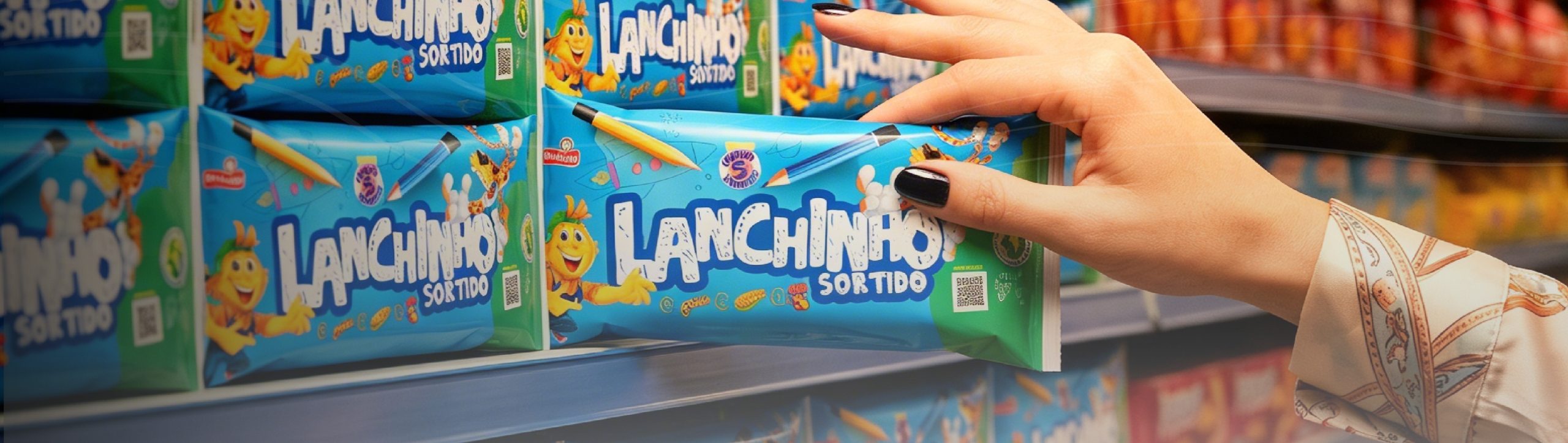
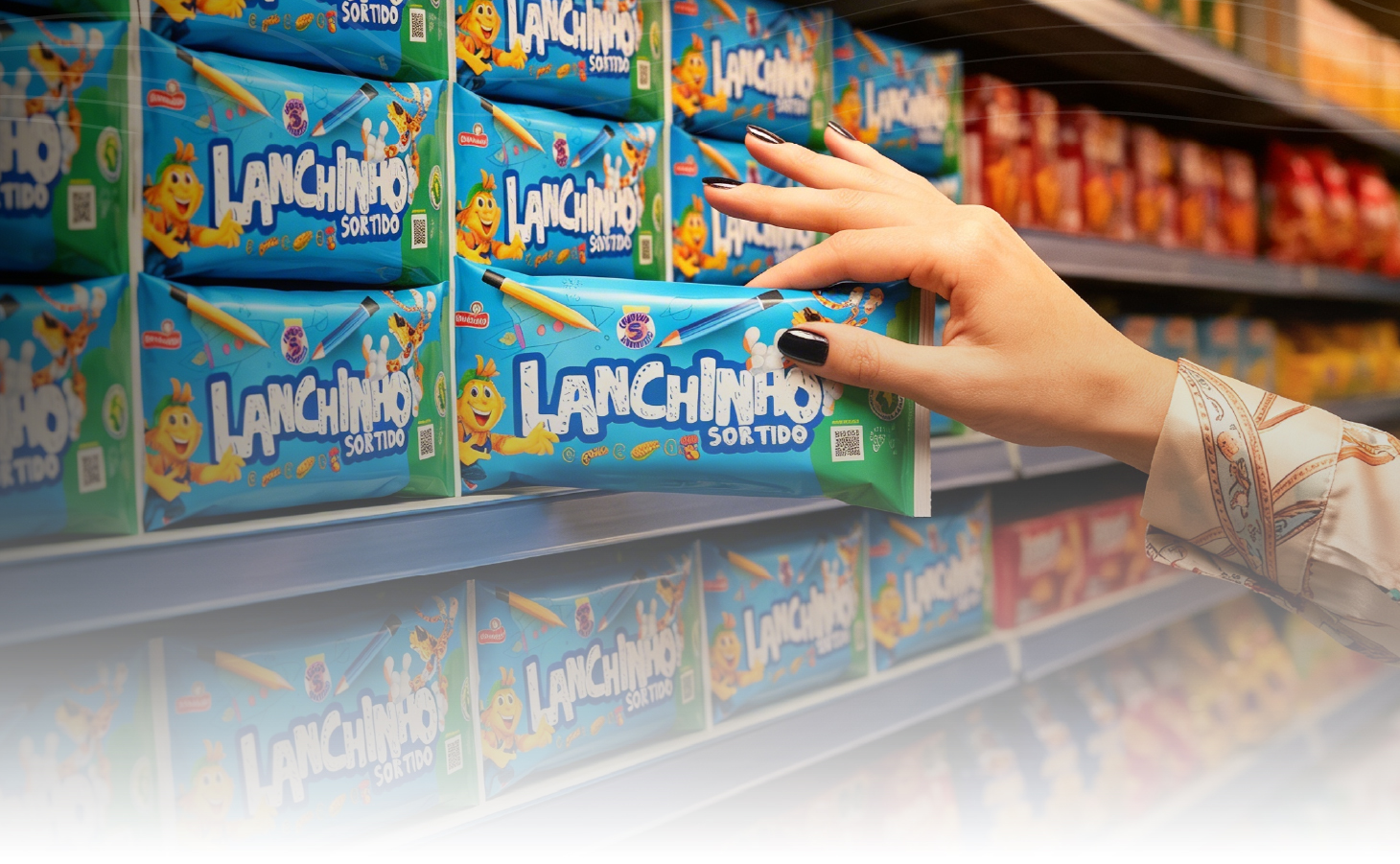
Oben Group partnered with a major Brand PepsiCo in Brazil to develop a 30 µm transparent sealable BOPP film containing 11% mechanical PP post-consumer recycled (PCR) content for the secondary packaging of Lanchinho. The new solution replaced a laminated structure made of two 17 µm BOPP films, helping reduce virgin plastic usage, simplify the structure, and maintain packaging performance on existing lines.
The challenge: integrating PCR into BOPP structures
Incorporating mechanical PCR into BOPP remains one of the most complex challenges in flexible packaging, since the film must withstand the biaxial orientation process while meeting quality and performance requirements. In addition to film performance, the project also required controlled production practices to prevent cross-contamination with food-contact films and support food safety compliance.
For this project, PepsiCo required a new structure capable of:
- Reducing virgin plastic usage.
- Incorporating post-consumer recycled content.
- Maintaining machinability on existing equipment.
- Preserving sealing performance and package quality.
- Improving material efficiency in snack packaging.
The solution: 30 µm BOPP film with 11% mechanical PP PCR
Oben Group engineered a 30 µm transparent sealable BOPP film containing 11% mechanical PP PCR, replacing a laminated structure composed of two 17 µm BOPP films.
Key technical advantages included:
- 11% reduction in virgin plastic usage
- No lamination required, simplifying the packaging structure.
- Lower sealing temperature
- Higher yield
- No modifications required to existing equipment
Real Results, Measurable Impact
By transitioning to this PCR-integrated BOPP structure, PepsiCo achieved:
- +80 tons per year transitioned to PCR-containing film
- Direct contribution to carbon footprint reduction goals
- Maintained gloss, haze, and hot-slip performance
- A scalable pathway for further PCR integration
This marked the first implementation of mechanical PCR in BOPP within the region for this application — demonstrating that circularity and performance can coexist.
Why it matters
This case demonstrates how film innovation can help brand owners advance circularity goals without compromising packaging performance. By developing a BOPP film with mechanical PP PCR for a high-volume snack application, Oben Group enabled a more efficient structure that reduces virgin plastic use while maintaining the operational reliability required in fast-moving consumer goods packaging.